日語ミニストリー Nichigo Ministry 2026-08-20
日語ミニストリー
The Prophets of the Old Testament
by Mimune Tsukamoto
The Prophets of the Old Testament
by Mimune Tsukamoto
旧約聖書にはイザヤ書など5 つの「大預言書」と、ホセア書などの12 の「小預言書」が収められていますが、彼ら「預言者」とは一体どのような人たちだったのでしょう。生い立ちを見ると、イザヤやエゼキエルのように王侯貴族や祭司といった上流階級出身の人も居れば、アモスのような羊飼いやミカのような農村の庶民など、実に様々です。それにそもそも預言者になるための学校や公的資格があったわけではなく、「預言者」という「肩書」は、世の人々によってそのように呼ばれた、という事になります。
では本人には、どのような自覚があったのでしょう。それは一口に言えば「神の召命 (Calling)」でした。神様から「このように告げなさい」と命じられ、それを実行せざるを得なかった。でも、皆さん喜んですぐに仰せに従ったわけではありません。モーセはユダヤの民を引き連れてエジプトを脱出するように命じられ、嫌だ嫌だと抵抗しましたね。「涙の預言者」と呼ばれたエレミヤも、「敵国の町に1 人で乗り込め」と言われたヨナもそうでした。でも彼らに共通していたのは、人々の称賛を受けることではなく、様々な苦難に会いながらも、神に命を捧げる道を選んだこと。それが「召命」の本来の意味なのでしょう。
でも本人が納得しても、人々はどうしてその人を「預言者」と呼んだのでしょう。そこには大きく二つの要素があったようです。まず預言が神の教えと一致しているか、そして権力ではなく神に忠実な人であったか。そうでなければ「偽預言者」と言われました。事実、エレミヤは召命によってエルサレムの滅亡を説き、世の人々からは「偽預言者」と言われましたが、やがてその預言の通りエルサレムはバビロンによって滅ぼされます。
この「召命」ですが、実は今の教会にも大切に受け継がれています。牧師となるには、まず神学校を卒業してMaster of Divinity (MDiv) の学位を得ますが、それは単に出発点に過ぎません。正式に「牧師」と任命されるには按手(Ordination)を受けねばならず、学位取得後のその道程を「Ordination Process」と呼び、通常3 年から5 年かかります。以前ウェスレーの日語牧師であった荒谷出先生は、丁度そのプロセスの最中だったのですが、「いやもう大変、自分の召命をメソジスト教会にも信じてもらわねばならなくて」と仰っていました。
この6月のメソジスト教会の年会で、ウェスレーのマーク・ティーグル兄がProvisional Commissioning のConfirmationを受けられ、いよいよそのOrdination Processを始められます。ご本人はもとより、ウェスレーにとっても、メソジスト教会にとっても、とても大切で嬉しい事ですね。
では本人には、どのような自覚があったのでしょう。それは一口に言えば「神の召命 (Calling)」でした。神様から「このように告げなさい」と命じられ、それを実行せざるを得なかった。でも、皆さん喜んですぐに仰せに従ったわけではありません。モーセはユダヤの民を引き連れてエジプトを脱出するように命じられ、嫌だ嫌だと抵抗しましたね。「涙の預言者」と呼ばれたエレミヤも、「敵国の町に1 人で乗り込め」と言われたヨナもそうでした。でも彼らに共通していたのは、人々の称賛を受けることではなく、様々な苦難に会いながらも、神に命を捧げる道を選んだこと。それが「召命」の本来の意味なのでしょう。
でも本人が納得しても、人々はどうしてその人を「預言者」と呼んだのでしょう。そこには大きく二つの要素があったようです。まず預言が神の教えと一致しているか、そして権力ではなく神に忠実な人であったか。そうでなければ「偽預言者」と言われました。事実、エレミヤは召命によってエルサレムの滅亡を説き、世の人々からは「偽預言者」と言われましたが、やがてその預言の通りエルサレムはバビロンによって滅ぼされます。
この「召命」ですが、実は今の教会にも大切に受け継がれています。牧師となるには、まず神学校を卒業してMaster of Divinity (MDiv) の学位を得ますが、それは単に出発点に過ぎません。正式に「牧師」と任命されるには按手(Ordination)を受けねばならず、学位取得後のその道程を「Ordination Process」と呼び、通常3 年から5 年かかります。以前ウェスレーの日語牧師であった荒谷出先生は、丁度そのプロセスの最中だったのですが、「いやもう大変、自分の召命をメソジスト教会にも信じてもらわねばならなくて」と仰っていました。
この6月のメソジスト教会の年会で、ウェスレーのマーク・ティーグル兄がProvisional Commissioning のConfirmationを受けられ、いよいよそのOrdination Processを始められます。ご本人はもとより、ウェスレーにとっても、メソジスト教会にとっても、とても大切で嬉しい事ですね。
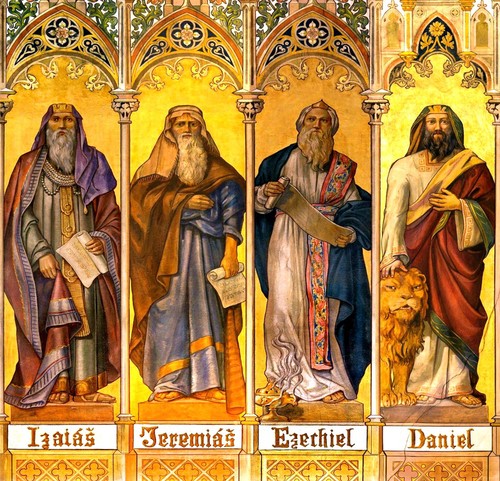
The Old Testament contains five “Major Prophets,” such as the Book of Isaiah, and twelve “Minor Prophets,” such as the Book of Hosea. But what kind of people were these “prophets” exactly? Looking at their backgrounds, they were a truly diverse group: some, like Isaiah and Ezekiel, came from the upper classes—royalty, nobility, or the priesthood—while others, like Amos, were shepherds, and Micah, a commoner from a rural village. Furthermore, there were no schools or official qualifications required to become a prophet. Therefore, the “title” of “prophet” was simply what people of that time called them.
So, how did they themselves perceive their role? In a nutshell, it was “God’s calling.” They were commanded by God to “proclaim this,” and they had no choice but to carry it out. However, they did not all gladly obey the command immediately. Moses, for instance, was ordered to lead the Jewish people out of Egypt, but he resisted, saying, “No, I won’t do it.” The same was true of Jeremiah, known as the “Prophet of Tears,” and Jonah, who was told to “go alone into the city of the enemy.” What they had in common, however, was not seeking the praise of others, but choosing to devote their lives to God even while facing countless hardships. That is likely the true meaning of “calling.”
But even if the person himself was convinced, why did people call him a “prophet”? It seems there were two main factors involved. First, whether the prophecy aligned with God’s teachings, and second, whether he was faithful to God rather than to those in power. If not, he was called a “false prophet.” In fact, Jeremiah, called by God to prophesy the destruction of Jerusalem, was labeled a “false prophet” by the people of his time; yet, as his prophecy foretold, Jerusalem was eventually destroyed by Babylon.
This concept of “calling” is, in fact, still cherished and passed down in the church today. To become a pastor, one must first graduate from seminary and earn a Master of Divinity (MDiv) degree, but that is merely the starting point. To be officially appointed as a “pastor,” one must undergo ordination, and its journey is called the “Ordination Process,” which typically takes three to five years. Pastor Izuru Aratani, who previously served as the Nichigo pastor at Wesley, was right in the middle of that process at the time, and he remarked, “It’s really tough—I have to convince the Methodist Church to believe in my calling as well.”
At the Methodist Church’s annual conference this past June, our Mark Teagle received confirmation of his Provisional Commissioning and will finally begin the Ordination Process. This is a very important and joyful occasion, not only for him personally, but also for Wesley and the Methodist Church.
So, how did they themselves perceive their role? In a nutshell, it was “God’s calling.” They were commanded by God to “proclaim this,” and they had no choice but to carry it out. However, they did not all gladly obey the command immediately. Moses, for instance, was ordered to lead the Jewish people out of Egypt, but he resisted, saying, “No, I won’t do it.” The same was true of Jeremiah, known as the “Prophet of Tears,” and Jonah, who was told to “go alone into the city of the enemy.” What they had in common, however, was not seeking the praise of others, but choosing to devote their lives to God even while facing countless hardships. That is likely the true meaning of “calling.”
But even if the person himself was convinced, why did people call him a “prophet”? It seems there were two main factors involved. First, whether the prophecy aligned with God’s teachings, and second, whether he was faithful to God rather than to those in power. If not, he was called a “false prophet.” In fact, Jeremiah, called by God to prophesy the destruction of Jerusalem, was labeled a “false prophet” by the people of his time; yet, as his prophecy foretold, Jerusalem was eventually destroyed by Babylon.
This concept of “calling” is, in fact, still cherished and passed down in the church today. To become a pastor, one must first graduate from seminary and earn a Master of Divinity (MDiv) degree, but that is merely the starting point. To be officially appointed as a “pastor,” one must undergo ordination, and its journey is called the “Ordination Process,” which typically takes three to five years. Pastor Izuru Aratani, who previously served as the Nichigo pastor at Wesley, was right in the middle of that process at the time, and he remarked, “It’s really tough—I have to convince the Methodist Church to believe in my calling as well.”
At the Methodist Church’s annual conference this past June, our Mark Teagle received confirmation of his Provisional Commissioning and will finally begin the Ordination Process. This is a very important and joyful occasion, not only for him personally, but also for Wesley and the Methodist Church.
Posted in Newsletter 2026-08-20