
日語ミニストリー Nichigo Ministry 05-21-2026
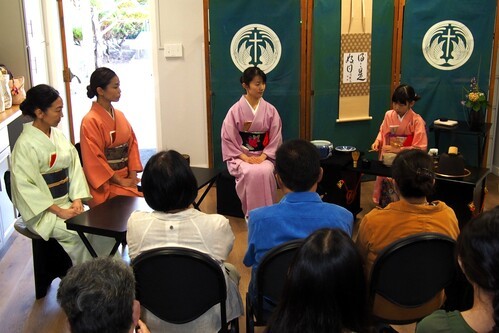
5月16日のアンブレラミニストリーでは、お茶のモンストレーションをさせて頂きました。茶道と禅の関係はよく知られていますが、実はキリスト教も茶道に大きな影響を与えています。
日本の茶道の父と言われる千利休は、1522年に堺で産まれました。日本にキリスト教が伝来したのが1549年、当時日本の中心であった京都に近く、貿易が盛んであった堺は、日本におけるキリスト教伝道の足場となっていました。利休もミサにあずかったことがあり、後に利休の妻も娘もキリスト教に改宗しています。そのミサでの神父の所作や教義が、茶の湯の形成に少なからず影響を与えました。
例えば、棗や茶杓を清める際の袱紗のさばき方は、まるで十字架をきっているようです。またお濃茶で一つの茶碗から客が回し飲みするのは、聖餐式におけるぶどう酒の回し飲みからヒントを得たと言われていますし、その時の茶碗の清め方はミサにおける聖杯の清め方に酷似しています。
茶室に入る際には「にじり口」と言われる小さな入口を通ります。侍ですら、刀を外に置いて身をかがめて通らなければなりませんでした。身に付けたすべてを捨てて世俗を離れた世界に入っていくという精神は、聖書の「狭き門」の教えを体現していると言われています。
また茶道の心構えを説いた言葉である「和敬清寂」、その 和(Harmony)、敬(Respect)、清(Purity)、寂(Tranquility)にもキリスト教の精神が表れているように思えます。
一方、布教する側からは織田信長、豊臣秀吉といった当時の権力者たちが親しんでいた茶の湯を教会に取り入れることは、日本での宣教活動に欠かせませんでした。これはバチカンから宣教師に宛てた手紙に、日本に着くとまず利休に会うように、教会には必ず茶室を作り、茶人を置くように、という指示があったことからも伺えます。
利休の高弟には高山右近をはじめクリスチャン大名が多く居ました。その一人である古田織部は茶道具の作家でもありましたが、中でも織部灯籠が有名です。地下に埋める部分にマリア像と思われる彫刻があり、その一基がサラトガの箱根ガーデンズに寄贈されています。秀吉によってキリスト教が禁止されてからも、庭に配したこの灯籠に向かって茶室で秘密の祈祷会を持っていた、と伝えられています。
茶の湯と聞くと、つい禅仏教を思い浮かべますが、こうしたキリスト教の教えが隠れたところで大きな影響を与えていたことは、とても興味深いことであると思います。
塚本三枝子
日本の茶道の父と言われる千利休は、1522年に堺で産まれました。日本にキリスト教が伝来したのが1549年、当時日本の中心であった京都に近く、貿易が盛んであった堺は、日本におけるキリスト教伝道の足場となっていました。利休もミサにあずかったことがあり、後に利休の妻も娘もキリスト教に改宗しています。そのミサでの神父の所作や教義が、茶の湯の形成に少なからず影響を与えました。
例えば、棗や茶杓を清める際の袱紗のさばき方は、まるで十字架をきっているようです。またお濃茶で一つの茶碗から客が回し飲みするのは、聖餐式におけるぶどう酒の回し飲みからヒントを得たと言われていますし、その時の茶碗の清め方はミサにおける聖杯の清め方に酷似しています。
茶室に入る際には「にじり口」と言われる小さな入口を通ります。侍ですら、刀を外に置いて身をかがめて通らなければなりませんでした。身に付けたすべてを捨てて世俗を離れた世界に入っていくという精神は、聖書の「狭き門」の教えを体現していると言われています。
また茶道の心構えを説いた言葉である「和敬清寂」、その 和(Harmony)、敬(Respect)、清(Purity)、寂(Tranquility)にもキリスト教の精神が表れているように思えます。
一方、布教する側からは織田信長、豊臣秀吉といった当時の権力者たちが親しんでいた茶の湯を教会に取り入れることは、日本での宣教活動に欠かせませんでした。これはバチカンから宣教師に宛てた手紙に、日本に着くとまず利休に会うように、教会には必ず茶室を作り、茶人を置くように、という指示があったことからも伺えます。
利休の高弟には高山右近をはじめクリスチャン大名が多く居ました。その一人である古田織部は茶道具の作家でもありましたが、中でも織部灯籠が有名です。地下に埋める部分にマリア像と思われる彫刻があり、その一基がサラトガの箱根ガーデンズに寄贈されています。秀吉によってキリスト教が禁止されてからも、庭に配したこの灯籠に向かって茶室で秘密の祈祷会を持っていた、と伝えられています。
茶の湯と聞くと、つい禅仏教を思い浮かべますが、こうしたキリスト教の教えが隠れたところで大きな影響を与えていたことは、とても興味深いことであると思います。
塚本三枝子
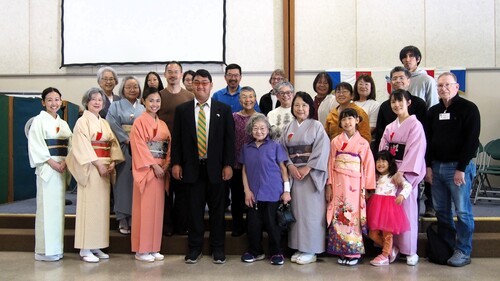
At the Umbrella Ministry on May 16, we had the opportunity to demonstrate the tea ceremony. While the connection between the tea ceremony and Zen Buddhism is well known, Christianity has actually had a significant influence on the tea ceremony as well.
Sen-no Rikyū, often referred to as the father of the Japanese tea ceremony, was born in the city of Sakai in 1522. Christianity was introduced to Japan in 1549. Sakai, located near Kyoto—the center of Japan at the time—and a hub of trade, served as a base for Christian missionary work in Japan. Rikyu himself attended Mass, and later, both his wife and daughter converted to Christianity. The priest’s rituals and the doctrines taught during Mass had a significant influence on the development of the tea ceremony.
For example, the way the fukusa (silk cloth) is handled when purifying the natsume (tea caddy) and chashaku (tea scoop) resembles the making of a sign of the cross. Furthermore, the practice of guests passing a single bowl of thick tea among themselves is said to have been inspired by the passing of wine during the Eucharist, and the method of purifying the bowl at that time closely resembles the purification of the chalice during Mass.
When entering a tea room, one passes through a small entrance known as the “nijiriguchi.” Even samurai were required to leave their swords outside and crouch to pass through. The spirit of shedding all worldly possessions to enter a realm detached from the secular world is said to embody the biblical teaching of the “narrow gate.”
Furthermore, the four principles of the tea ceremony—“Wa-Kei-Sei-Jaku” (Harmony, Respect, Purity, and Tranquility)—also seem to reflect the spirit of Christianity.
On the other hand, from the perspective of those engaged in missionary work, incorporating the tea ceremony—which was favored by powerful figures of the time such as Oda Nobunaga and Toyotomi Hideyoshi—into the church was essential for missionary activities in Japan. This is evident from a letter sent by the Vatican to missionaries instructing them to meet Rikyu upon arriving in Japan, to ensure that every church had a tea room, and to appoint a tea master.
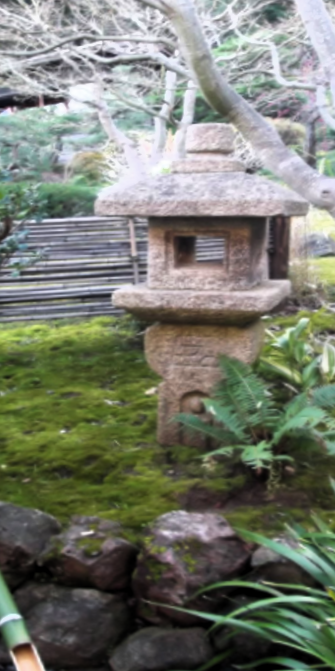
Among Rikyu’s leading disciples were many Christian daimyo, including Takayama Ukon. One of them, Furuta Oribe, was also a craftsman of tea utensils, and his Oribe-style lanterns are particularly famous. The base of these lanterns, which is buried underground, features a carving believed to depict the Virgin Mary, and one such lantern has been donated to the Saratoga Hakone Gardens. It is said that even after Hideyoshi banned Christianity, secret prayer meetings were held in the tea room facing this lantern placed in the garden.
When one hears the term “tea ceremony,” Zen Buddhism naturally comes to mind, but I find it fascinating that Christian teachings exerted such a significant influence behind the scenes.
Mieko Tsukamoto
Sen-no Rikyū, often referred to as the father of the Japanese tea ceremony, was born in the city of Sakai in 1522. Christianity was introduced to Japan in 1549. Sakai, located near Kyoto—the center of Japan at the time—and a hub of trade, served as a base for Christian missionary work in Japan. Rikyu himself attended Mass, and later, both his wife and daughter converted to Christianity. The priest’s rituals and the doctrines taught during Mass had a significant influence on the development of the tea ceremony.
For example, the way the fukusa (silk cloth) is handled when purifying the natsume (tea caddy) and chashaku (tea scoop) resembles the making of a sign of the cross. Furthermore, the practice of guests passing a single bowl of thick tea among themselves is said to have been inspired by the passing of wine during the Eucharist, and the method of purifying the bowl at that time closely resembles the purification of the chalice during Mass.
When entering a tea room, one passes through a small entrance known as the “nijiriguchi.” Even samurai were required to leave their swords outside and crouch to pass through. The spirit of shedding all worldly possessions to enter a realm detached from the secular world is said to embody the biblical teaching of the “narrow gate.”
Furthermore, the four principles of the tea ceremony—“Wa-Kei-Sei-Jaku” (Harmony, Respect, Purity, and Tranquility)—also seem to reflect the spirit of Christianity.
On the other hand, from the perspective of those engaged in missionary work, incorporating the tea ceremony—which was favored by powerful figures of the time such as Oda Nobunaga and Toyotomi Hideyoshi—into the church was essential for missionary activities in Japan. This is evident from a letter sent by the Vatican to missionaries instructing them to meet Rikyu upon arriving in Japan, to ensure that every church had a tea room, and to appoint a tea master.
Among Rikyu’s leading disciples were many Christian daimyo, including Takayama Ukon. One of them, Furuta Oribe, was also a craftsman of tea utensils, and his Oribe-style lanterns are particularly famous. The base of these lanterns, which is buried underground, features a carving believed to depict the Virgin Mary, and one such lantern has been donated to the Saratoga Hakone Gardens. It is said that even after Hideyoshi banned Christianity, secret prayer meetings were held in the tea room facing this lantern placed in the garden.
When one hears the term “tea ceremony,” Zen Buddhism naturally comes to mind, but I find it fascinating that Christian teachings exerted such a significant influence behind the scenes.
Mieko Tsukamoto
Posted in Newsletter 2026-05-21