
日語ミニストリー Nichigo Ministry 03-19-2026
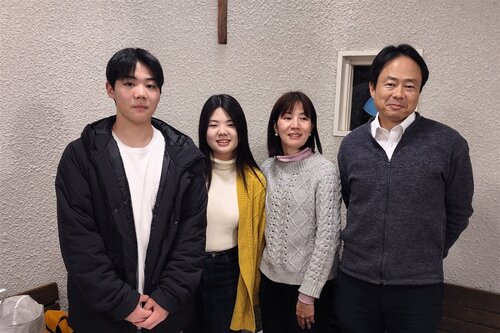
この2月末から3月初めにかけて、三枝子と二人で日本に行ってきました。色々目的があったのですが、その中の一つが山本先生ご家族にお会いする事。そこで3月1日(日)の夜、伊丹教会をお訪ねしました。
写真にあるように、皆さんお元気そうでした。先生も知恵さんも教区、教会、幼稚園、クリニック、そして家庭と大忙しです。菫ちゃんは新しい学校で元気に勉強し、来年は大学受験です。皓君は高校受験に合格したばかりで、この4月から高校生です。皆さまに宜しくとのことでした。
さて2月のニュースレターでは、新約の時代の食事について調べてみたのですが、そこで「最後の晩餐」は過ぎ越しの祭りの食事であった事を紹介しました。その時、その料理の一つ一つに込められている意味については3月に、と書いてしまったので、ここで簡単に紹介します。
種無しパン:酵母などを使わずに焼いたパンは純粋さを表します。最後の晩餐で主イエスはパンを自らの身体に譬えられました。
ワイン:ユダヤの民のエジプトからの脱出を記念して、契約の成就と喜びを意味します。最後の晩餐では主イエスはワインを「私の契約の血」と呼び、新しい契約、即ち私たちの罪の赦しの象徴とされました。
仔羊:過ぎ越しの祭りは、エジプト脱出の前に仔羊の血を扉に塗ることによって神の怒りから救われた事を記念します。この事から、仔羊は生贄ともなり、犠牲を意味します。
苦い野菜:レタスやチコリー等が使われ、エジプトの奴隷時代の苦しみを思い出すためだそうです。
ナッツ:デーツやナツメなどが使われたようですが、多くの場合、そのままではなく、果物やワインと混ぜ合わせてペースト状にしました。奴隷時代に住んだ家の壁土を象徴します。
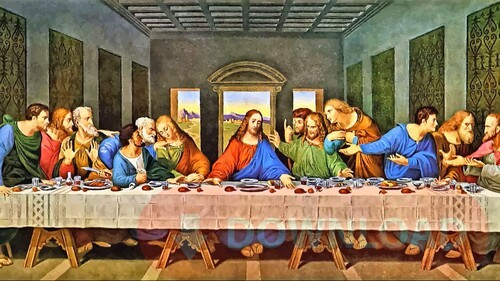
他にオリーブや魚なども食卓に提供されたようです。でもここでダ・ビンチの「最後の晩餐」の絵を思い出して下さい。そこには主イエスと十二人の弟子とが描かれていますが、食卓にはパンと葡萄酒しかありません。勿論この二つが主イエスの身体と血であり、今日の聖餐式に引き継がれているのですが、でも食事としての晩餐の主役、仔羊はどこに行ったのでしょうか。予算不足で注文できなかった? いや、そうではないでしょう。ちゃんとこの絵の中に描かれています。一度探してみてください。その時に、この絵に隠された大きな意味が見つかると思います。
以下、日語からのお報せです。
• 3月22日(日)は日語礼拝です。高槻日吉台教会主任牧師の吉岡恵生先生がメッセージをとりついでくださいます。
• 2月19日から始まった一麦会のレント聖書研究会は、3月26日に最終日を迎えます。、毎週木曜日午後7時半からです。新しく参加を希望される方は、コリンズ道子姉までご連絡ください。
• 3月27日(金)のサフラン会は、「豊かな老後を過ごすために」と題するセミナーです。参加ご希望の方は足立静子姉か塚本三枝子姉にご連絡ください。
写真にあるように、皆さんお元気そうでした。先生も知恵さんも教区、教会、幼稚園、クリニック、そして家庭と大忙しです。菫ちゃんは新しい学校で元気に勉強し、来年は大学受験です。皓君は高校受験に合格したばかりで、この4月から高校生です。皆さまに宜しくとのことでした。
さて2月のニュースレターでは、新約の時代の食事について調べてみたのですが、そこで「最後の晩餐」は過ぎ越しの祭りの食事であった事を紹介しました。その時、その料理の一つ一つに込められている意味については3月に、と書いてしまったので、ここで簡単に紹介します。
種無しパン:酵母などを使わずに焼いたパンは純粋さを表します。最後の晩餐で主イエスはパンを自らの身体に譬えられました。
ワイン:ユダヤの民のエジプトからの脱出を記念して、契約の成就と喜びを意味します。最後の晩餐では主イエスはワインを「私の契約の血」と呼び、新しい契約、即ち私たちの罪の赦しの象徴とされました。
仔羊:過ぎ越しの祭りは、エジプト脱出の前に仔羊の血を扉に塗ることによって神の怒りから救われた事を記念します。この事から、仔羊は生贄ともなり、犠牲を意味します。
苦い野菜:レタスやチコリー等が使われ、エジプトの奴隷時代の苦しみを思い出すためだそうです。
ナッツ:デーツやナツメなどが使われたようですが、多くの場合、そのままではなく、果物やワインと混ぜ合わせてペースト状にしました。奴隷時代に住んだ家の壁土を象徴します。
他にオリーブや魚なども食卓に提供されたようです。でもここでダ・ビンチの「最後の晩餐」の絵を思い出して下さい。そこには主イエスと十二人の弟子とが描かれていますが、食卓にはパンと葡萄酒しかありません。勿論この二つが主イエスの身体と血であり、今日の聖餐式に引き継がれているのですが、でも食事としての晩餐の主役、仔羊はどこに行ったのでしょうか。予算不足で注文できなかった? いや、そうではないでしょう。ちゃんとこの絵の中に描かれています。一度探してみてください。その時に、この絵に隠された大きな意味が見つかると思います。
以下、日語からのお報せです。
• 3月22日(日)は日語礼拝です。高槻日吉台教会主任牧師の吉岡恵生先生がメッセージをとりついでくださいます。
• 2月19日から始まった一麦会のレント聖書研究会は、3月26日に最終日を迎えます。、毎週木曜日午後7時半からです。新しく参加を希望される方は、コリンズ道子姉までご連絡ください。
• 3月27日(金)のサフラン会は、「豊かな老後を過ごすために」と題するセミナーです。参加ご希望の方は足立静子姉か塚本三枝子姉にご連絡ください。
From late February to early March, Mieko and I traveled to Japan. We had several objectives for the trip, one of which was to visit Rev. Hajime and his family. On the evening of Sunday, March 1, we stopped by the Itami Church.
As you can see in the photo, everyone looked very well. Rev Haime and Tomoe-san are extremely busy with the parish, the church, the kindergarten, the clinic, and their family life. Sumire-chan is studying hard at her new school and will be taking college entrance exams next year. Koh-kun has just passed his high school entrance exam and will be a high school student starting this April. They asked us to give their best regards to everyone at Wesley.
Now in the February newsletter, we looked into meals during the New Testament era and mentioned that the “Last Supper” was a Passover meal. At that time, I wrote that I would discuss the meaning behind each of the dishes in March, so here It is.
Unleavened bread: Bread baked without yeast or other leavening agents symbolizes purity. At the Last Supper, the Lord Jesus likened the bread to His own body.
Wine: Commemorating the Jewish people’s exodus from Egypt, it signifies the fulfillment of the covenant and joy. At the Last Supper, the Lord Jesus called the wine “the blood of my covenant,” making it a symbol of the new covenant—that is, the forgiveness of our sins.
Lamb: The Passover commemorates how the Israelites were saved from God’s wrath by smearing lamb’s blood on their doorposts before the Exodus. For this reason, the lamb symbolizes self-sacrifice.
Bitter herbs: Lettuce, chicory, and similar vegetables are used to remind people of the suffering endured during the time of slavery in Egypt.
Nuts: Dates and jujubes were apparently used, though in many cases they were not eaten as is but mixed with fruit and wine to form a paste. This symbolizes the mud walls of the houses where they lived during their time as slaves.
Olives and fish were also served at the table. But do recall Da Vinci’s painting, “The Last Supper.” It depicts the Lord Jesus and the twelve disciples, but there is nothing on the table but bread and wine. Of course, these two represent the body and blood of the Lord Jesus and have been carried over into today’s Eucharist, but where did the lamb—the main course of the meal—go? Could they not afford to order it? No, that cannot be the case. In my opinion, it is actually depicted in this painting. Try finding it. When you do, I believe you will discover one of the profound meanings hidden within this painting.
The following is an announcement from the Japanese-language service:
As you can see in the photo, everyone looked very well. Rev Haime and Tomoe-san are extremely busy with the parish, the church, the kindergarten, the clinic, and their family life. Sumire-chan is studying hard at her new school and will be taking college entrance exams next year. Koh-kun has just passed his high school entrance exam and will be a high school student starting this April. They asked us to give their best regards to everyone at Wesley.
Now in the February newsletter, we looked into meals during the New Testament era and mentioned that the “Last Supper” was a Passover meal. At that time, I wrote that I would discuss the meaning behind each of the dishes in March, so here It is.
Unleavened bread: Bread baked without yeast or other leavening agents symbolizes purity. At the Last Supper, the Lord Jesus likened the bread to His own body.
Wine: Commemorating the Jewish people’s exodus from Egypt, it signifies the fulfillment of the covenant and joy. At the Last Supper, the Lord Jesus called the wine “the blood of my covenant,” making it a symbol of the new covenant—that is, the forgiveness of our sins.
Lamb: The Passover commemorates how the Israelites were saved from God’s wrath by smearing lamb’s blood on their doorposts before the Exodus. For this reason, the lamb symbolizes self-sacrifice.
Bitter herbs: Lettuce, chicory, and similar vegetables are used to remind people of the suffering endured during the time of slavery in Egypt.
Nuts: Dates and jujubes were apparently used, though in many cases they were not eaten as is but mixed with fruit and wine to form a paste. This symbolizes the mud walls of the houses where they lived during their time as slaves.
Olives and fish were also served at the table. But do recall Da Vinci’s painting, “The Last Supper.” It depicts the Lord Jesus and the twelve disciples, but there is nothing on the table but bread and wine. Of course, these two represent the body and blood of the Lord Jesus and have been carried over into today’s Eucharist, but where did the lamb—the main course of the meal—go? Could they not afford to order it? No, that cannot be the case. In my opinion, it is actually depicted in this painting. Try finding it. When you do, I believe you will discover one of the profound meanings hidden within this painting.
The following is an announcement from the Japanese-language service:
- Sunday, March 22, is the Japanese-language worship service. Rev. Yasutaka Yoshioka, Senior Pastor of Takatsuki Hiyoshidai Church, will deliver the message.
- The Hitomugi-kai Lenten Bible Study, which began on February 19, will conclude on March 26. It meets every Thursday at 7:30 p.m. If you are interested in joining, please contact Michiko Collins.
- The Saffron Club meeting on Friday, March 27, will feature a seminar titled “Living a Fulfilling Retirement.” If you would like to attend, please contact Shizuko Adachi or Mieko Tsukamoto.
Posted in Newsletter 2026-03-19