
日語ミニストリー Nichigo Ministry 02-19-2026
今週の水曜日から受難週を迎えました。そして4月2日が最後の晩餐のMaundy Thursday、5日がイースターです。つまり、この最後の晩餐は主イエスが十字架に懸けられた日の前夜でした。同時にそれは過ぎ越しの祭りのお祝いの席でもありました。この食事がどんなものであったのかは来月のニュースレターに譲るとして、今回は当時のユダヤの食生活について少し考えてみたいと思います。
普段、私たちはKosherという言葉をよく耳にしますが、これはヘブル語で「fit」つまり健康的な食事であることを意味し、旧約聖書のレビ記11章と申命記14章に規定されています。突き詰めて言うと、食物を清いものと汚れたものに分け、ひたすら前者だけを食べなさい、という掟です。でも実際に人々はどんなものを食べていたのでしょう。
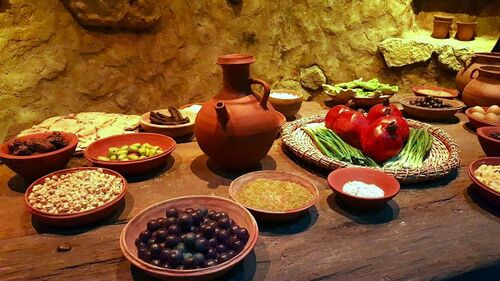
主食はパン。一般の人々は大麦の粉から、お金持ちは小麦粉から作ったそうです。多くは平たい種無しパンで、現代のWrapのように中に副食を入れて丸めて食べるのが一般的でした。
副食は、粟や黍などの穀物、豆類、そしてオリーブや玉ねぎ、葡萄、デーツ、イチジクなどの果物でした。中でもオリーブオイルは日常の料理に欠かせないもであったようです。
肉類は高価なので、一般の人々は過ぎ越しの祭りの様な特別な時にしか食べることはできません。Kosherに則って、羊、山羊、そして鶏を始めとする家禽類はご馳走でした。それに比べると魚はもっと日常的な食物だったようです。
香辛料は、塩、酢、蜜、ヒソップ、ミント、辛子など。でも当時の「蜜」はデーツから作ったシロップで、蜂蜜は大変な高級食品でした。
最後に飲み物は水とワイン。聖書には創世記から福音書に至るまで、ワインが140回登場するそうです。
では最後の晩餐、それは過ぎ越しの祭りの食事でもあったのですが、その料理の一つ一つにはユダヤの歴史を背景に様々な意味が込められています。それは次回に考えてみます。
以下、日語からのお報せです。
普段、私たちはKosherという言葉をよく耳にしますが、これはヘブル語で「fit」つまり健康的な食事であることを意味し、旧約聖書のレビ記11章と申命記14章に規定されています。突き詰めて言うと、食物を清いものと汚れたものに分け、ひたすら前者だけを食べなさい、という掟です。でも実際に人々はどんなものを食べていたのでしょう。
主食はパン。一般の人々は大麦の粉から、お金持ちは小麦粉から作ったそうです。多くは平たい種無しパンで、現代のWrapのように中に副食を入れて丸めて食べるのが一般的でした。
副食は、粟や黍などの穀物、豆類、そしてオリーブや玉ねぎ、葡萄、デーツ、イチジクなどの果物でした。中でもオリーブオイルは日常の料理に欠かせないもであったようです。
肉類は高価なので、一般の人々は過ぎ越しの祭りの様な特別な時にしか食べることはできません。Kosherに則って、羊、山羊、そして鶏を始めとする家禽類はご馳走でした。それに比べると魚はもっと日常的な食物だったようです。
香辛料は、塩、酢、蜜、ヒソップ、ミント、辛子など。でも当時の「蜜」はデーツから作ったシロップで、蜂蜜は大変な高級食品でした。
最後に飲み物は水とワイン。聖書には創世記から福音書に至るまで、ワインが140回登場するそうです。
では最後の晩餐、それは過ぎ越しの祭りの食事でもあったのですが、その料理の一つ一つにはユダヤの歴史を背景に様々な意味が込められています。それは次回に考えてみます。
以下、日語からのお報せです。
- 2月22日(日)は日語礼拝です。仙台北教会の主任牧師の近藤誠先生がメッセージを担当してくださいます。
- 2月19日から3月26日まで、毎週木曜日午後7時半から一麦会のレント聖書研究会が開かれます。新しく参加を希望される方は、コリンズ道子姉まで’ご連絡ください。
This Wednesday marks the beginning of Holy Week. Maundy Thursday, April 2nd, commemorates the Last Supper, and Easter falls on the 5th. This Last Supper took place on the eve of the day Jesus was crucified.Here, I'd like to briefly explore Jewish dietary practices of that era.
We often hear the term “Kosher”. This comes from the Hebrew word meaning ‘fit’ or “healthy,” referring to dietary laws prescribed in Leviticus 11 and Deuteronomy 14 of the Old Testament. Essentially, it's a commandment dividing foods into clean and unclean, mandating the consumption of only the former. But what did people actually eat?
The staple food was bread. Commoners made theirs from barley flour, while the wealthy used wheat flour. Most bread was flat, unleavened, and typically eaten rolled up with fillings inside, much like a modern wrap.
Side dishes included grains like millet and sorghum, legumes, and fruits such as olives, onions, grapes, dates, and figs. Olive oil, in particular, seems to have been indispensable in daily cooking.
Meat was expensive, so common people could only eat it on special occasions like Passover. Following Kosher laws, sheep, goats, and poultry like chickens were considered delicacies. In comparison, fish seemed to be more common.
Spices included salt, vinegar, honey, hyssop, mint, and mustard. However, the “honey” of that time was syrup made from dates; real honey was an extremely luxurious food.
Finally, beverages included water and wine. The Bible mentions wine 140 times, from Genesis to the Gospels.
The Last Supper was also a Passover meal, and each dish carried various meanings rooted in Jewish history. We'll explore that next time.
We often hear the term “Kosher”. This comes from the Hebrew word meaning ‘fit’ or “healthy,” referring to dietary laws prescribed in Leviticus 11 and Deuteronomy 14 of the Old Testament. Essentially, it's a commandment dividing foods into clean and unclean, mandating the consumption of only the former. But what did people actually eat?
The staple food was bread. Commoners made theirs from barley flour, while the wealthy used wheat flour. Most bread was flat, unleavened, and typically eaten rolled up with fillings inside, much like a modern wrap.
Side dishes included grains like millet and sorghum, legumes, and fruits such as olives, onions, grapes, dates, and figs. Olive oil, in particular, seems to have been indispensable in daily cooking.
Meat was expensive, so common people could only eat it on special occasions like Passover. Following Kosher laws, sheep, goats, and poultry like chickens were considered delicacies. In comparison, fish seemed to be more common.
Spices included salt, vinegar, honey, hyssop, mint, and mustard. However, the “honey” of that time was syrup made from dates; real honey was an extremely luxurious food.
Finally, beverages included water and wine. The Bible mentions wine 140 times, from Genesis to the Gospels.
The Last Supper was also a Passover meal, and each dish carried various meanings rooted in Jewish history. We'll explore that next time.
Posted in Newsletter 2026-02-19